Claim: 6G as Puppet Strings
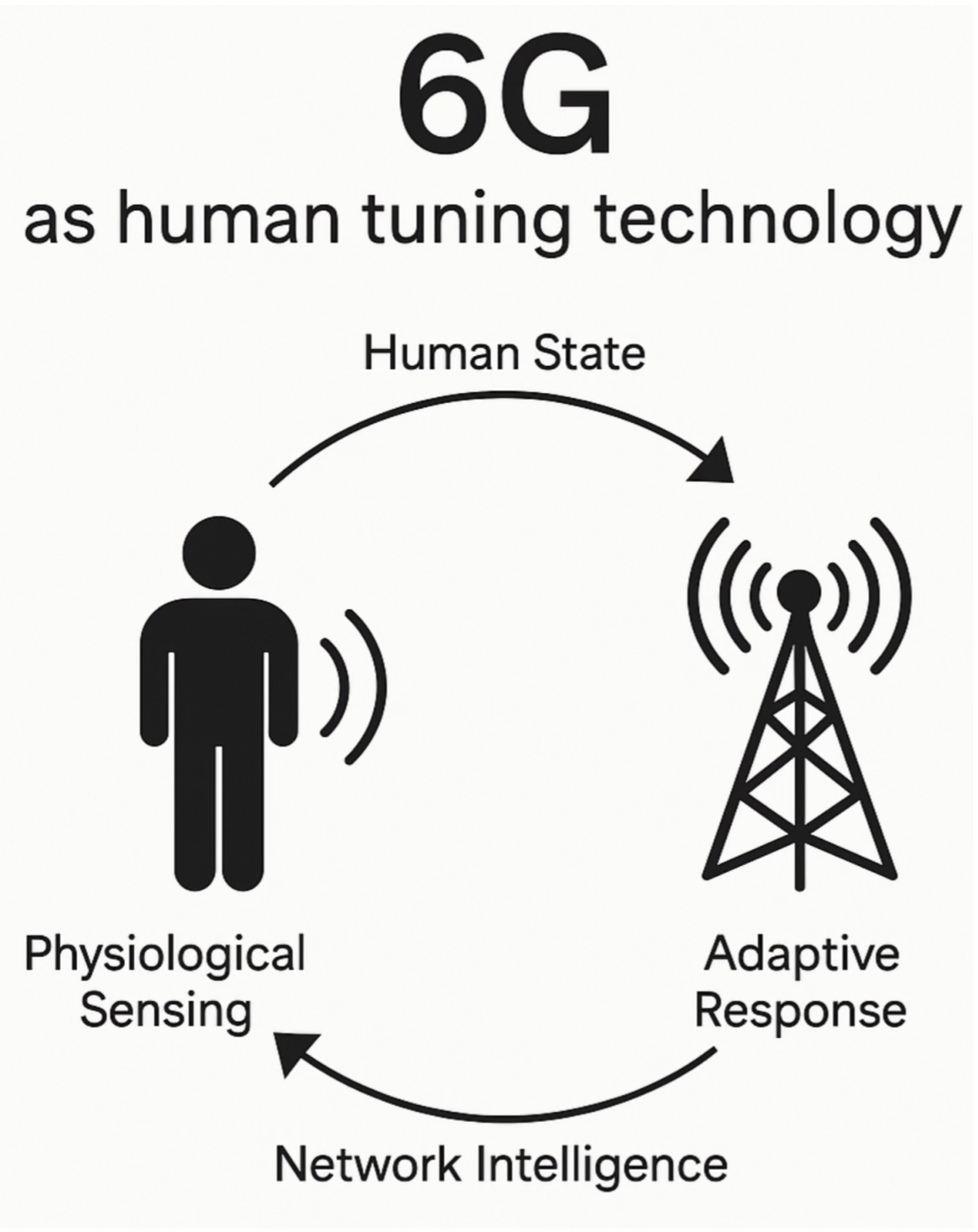
6G as a Human Tuning Technology
The Technical Layer
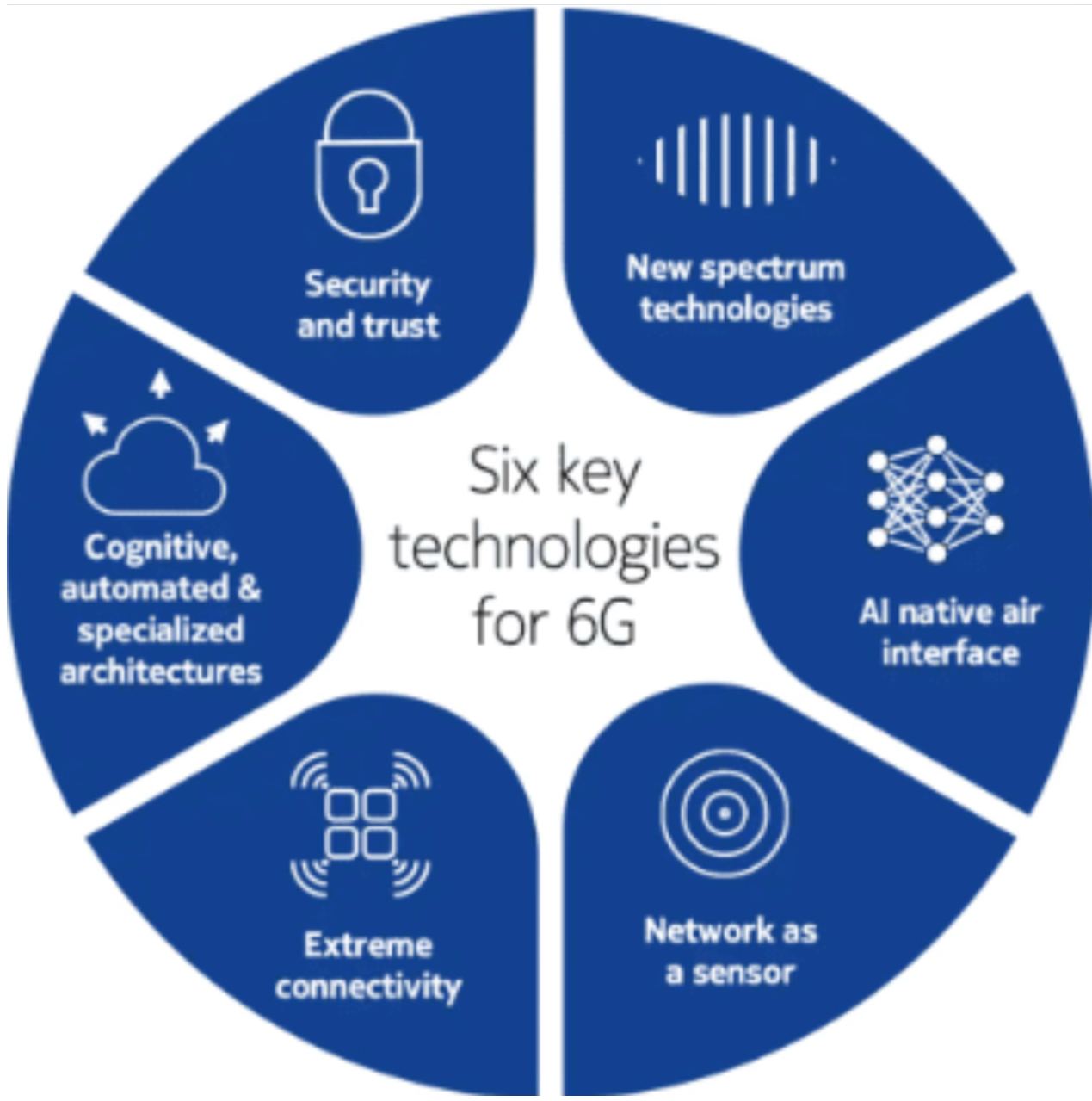
6G, which is expected around 2030 isn't just “faster 5G”, it aims to integrate physical, digital, and biological systems into one seamless information environment.
It builds on terahertz frequencies, AI-native networks, sensing and positioning, and digital twins, real-time virtual replicas of people and objects.
The term “human-centric” is public-relations camouflage.
It reassures regulators and investors that technology serves humanity, while masking the fact that 6G primarily serves data extraction and behavioural prediction.
The “human in the loop” becomes the sensor and subject of the loop.
The Sociotechnical Layer
Where 5G connected devices, 6G connects states of being. Your environment will respond to your stress, movement, or focus. The network modulates human experience not just communication but tuning.
Every “adaptive” system has a feedback path. The more it reads your mood, heart rate, gaze, or focus, the more it can nudge, through colour temperature, tone, notifications, or subtle user experience (UX) shaping.
This is not neutrality; it's behavioural steering under the banner of optimisation.
The Philosophical Layer
If earlier networks were about information transfer, 6G is about synchronisation; about aligning human perception and machine context.
The ethical question of who tunes whom;
You tune your environment, but the system also tunes you.
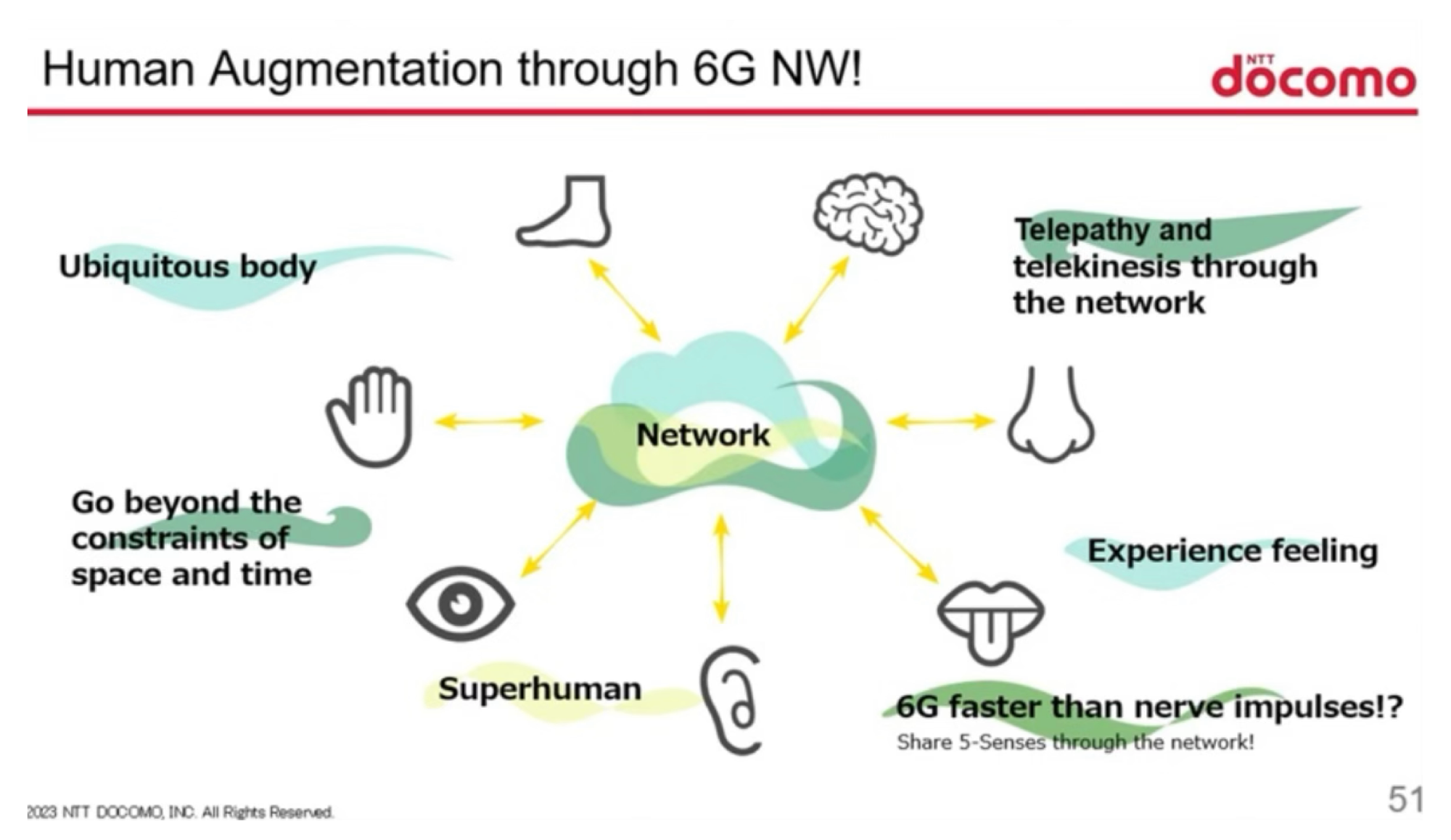
As 6G integrates the physical, digital, and biological, it could make withdrawal practically impossible. You won't log in to 6G, you'll live inside it. Connectivity will cease being optional, and disconnection could mean social or economic invisibility.
The human-centric vision
The ITU and Next G Alliance frame 6G as “human-centric,” aiming for inclusion and trust. Yet practically, it tunes people through adaptive Augmented Reality (Appendix A) layers, haptic cues, and affective computing.
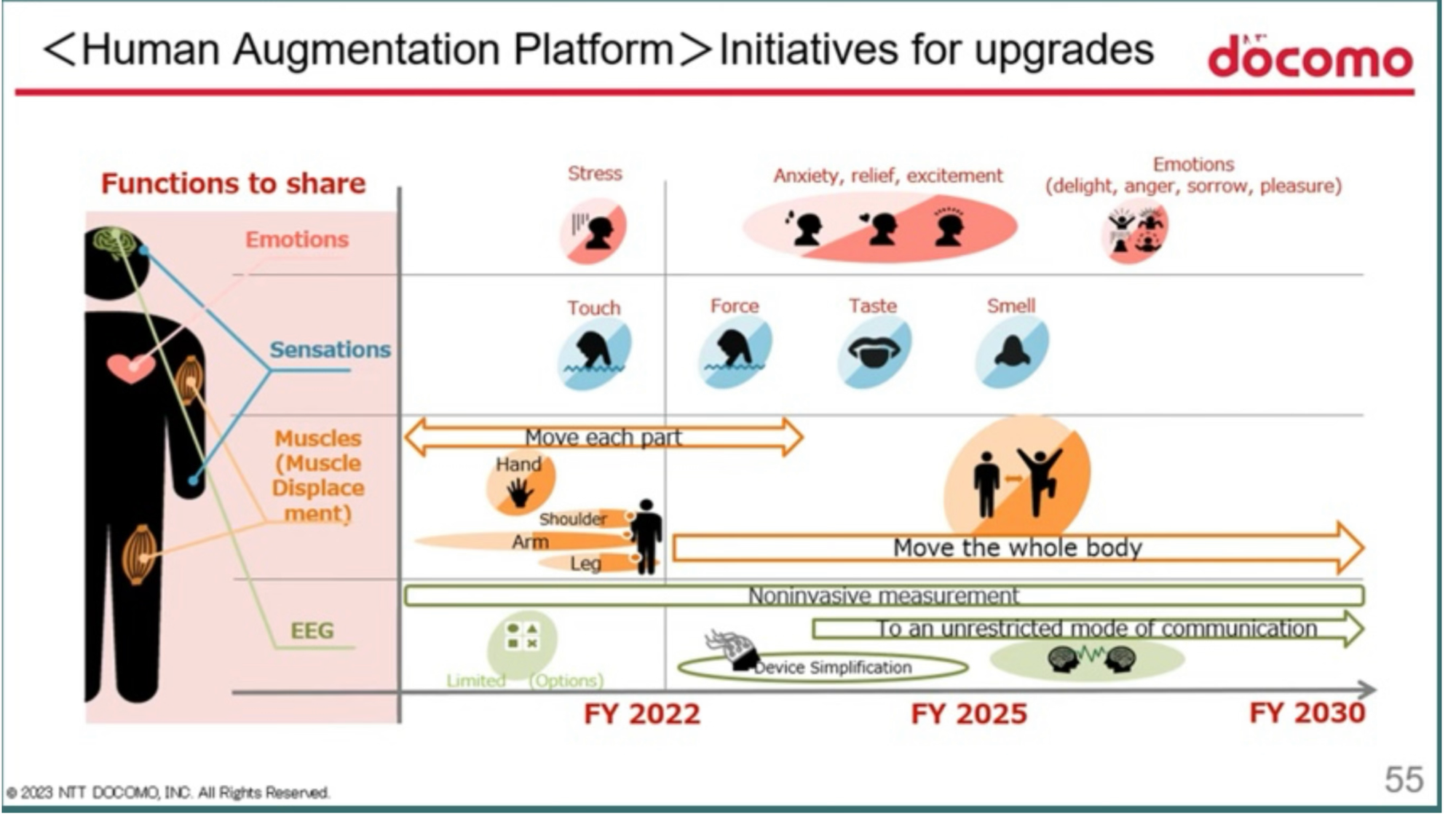
If 5G connected objects, and 6G connects perception, the next step is curated consciousness; an algorithmic mediation of what you feel, not just what you see.
The system “tunes” humans so gently they may not notice it's happening.
TL;DR
6G is indeed a human tuning technology — both literally (it measures and adjusts to human states) and metaphorically (it reshapes how humans experience connection, presence, and control). The key question is whether this tuning enhances autonomy or induces behavioural conditioning.
6G is not about speed. It's about digital reach into cognition, emotion, and decision. The moral line is not technical, but civic:
Who sets the parameters of tuning, and can citizens refuse?
APPENDIX A - Adaptive AR (Augmented Reality)
Definition
Adaptive AR is a form of augmented reality that changes in real time based on who you are, what you're doing, and even how you're feeling.
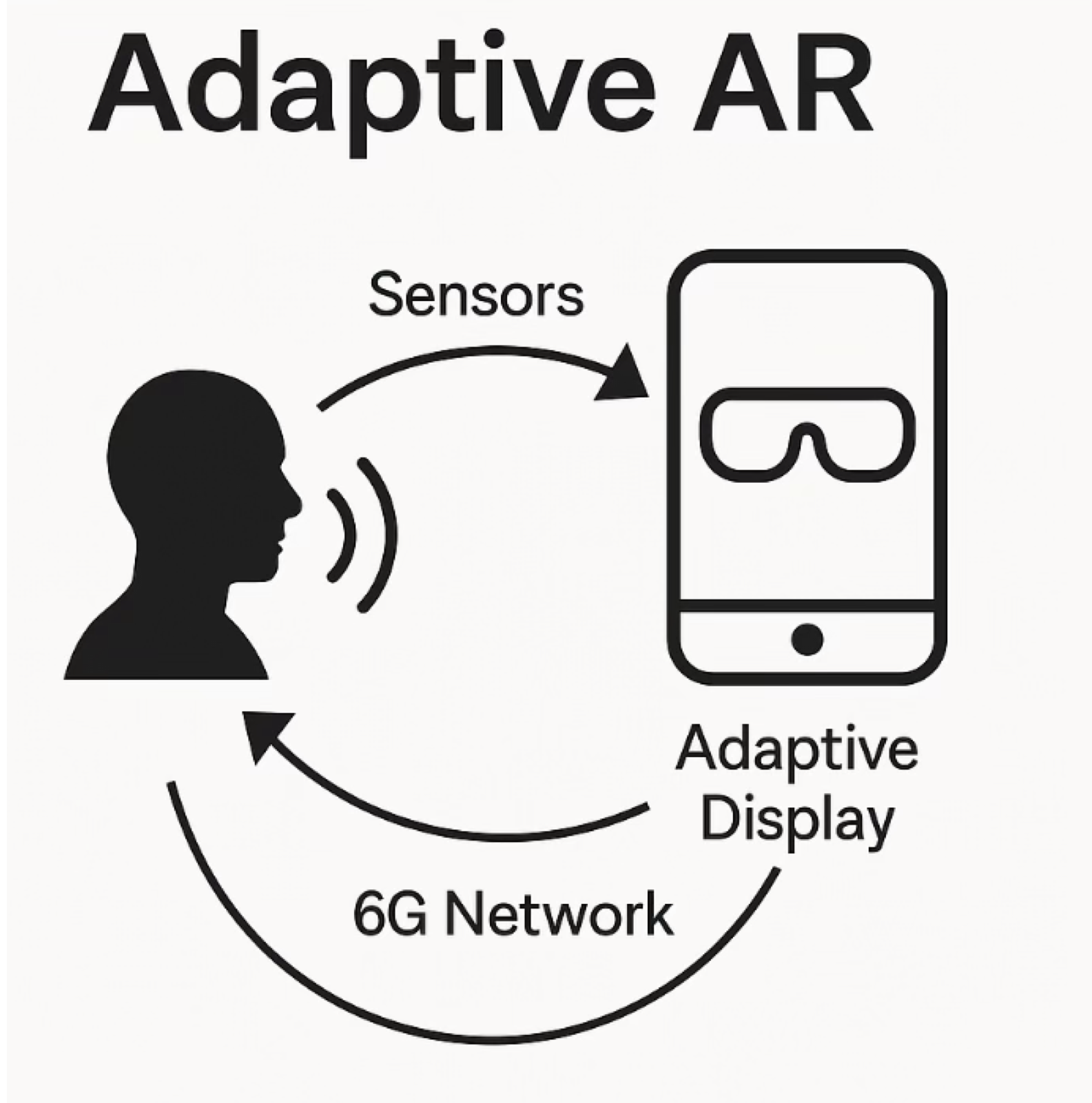
Unlike ordinary AR, which simply overlays digital images or data on the physical world (as in Pokémon Go or an IKEA furniture preview), adaptive AR uses sensors and AI to personalise what you see.
How it works
It pulls in multiple data streams:
• Context sensors — where you are, what time it is, lighting, sound levels.
• Biometric feedback — eye tracking, facial expression, heart rate, posture.
• Behavioural history — your preferences, reactions, and past interactions.
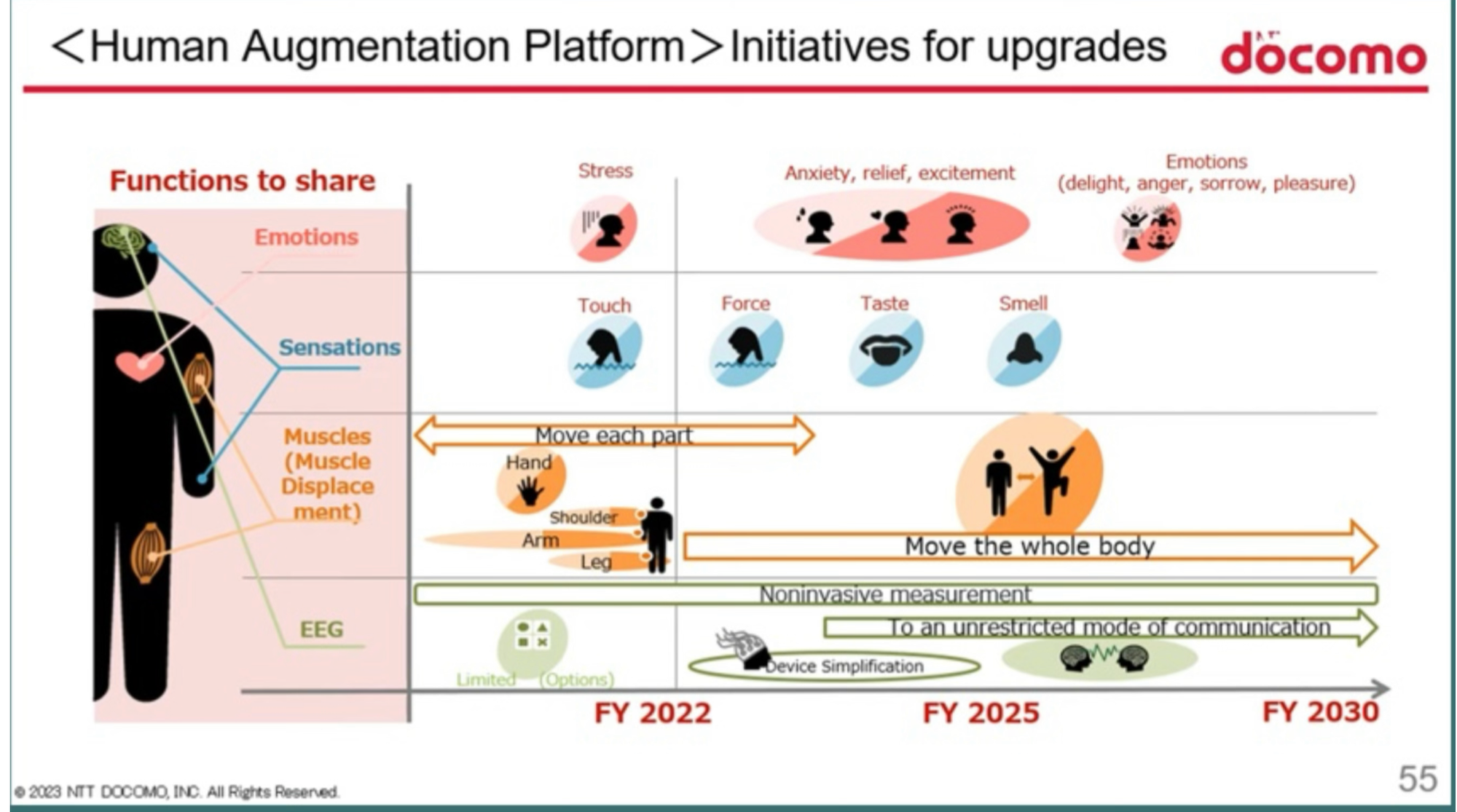
Using this data, the AR system adapts its display:
• A navigation app could enlarge signs if it detects confusion or fatigue.
• A training overlay could slow down instructions if your gaze lingers too long.
• A wellness system could dim colours and quiet notifications if stress is detected.
Supporting the claim: 6G as Puppet Strings